
How to Keep Hands and Feet Warm in Sub Zero Temperatures
I’ve spent countless winter days with numb fingertips and aching toes, and I can tell you that how to keep hands and feet warm in sub zero temperatures is not about thicker gloves—it’s about managing heat loss from your core. Your body prioritizes survival over comfort, so it restricts blood flow to extremities when your torso cools. A complete what to wear winter hiking guide lays the groundwork, but this deep dive tackles the specific mechanics, gear, and field-tested tricks for your hands and feet.
Table of Content
Why Hands and Feet Freeze First
Your Body’s Cold Response
When your skin sensors detect dropping temperatures, your hypothalamus triggers vasoconstriction—narrowing blood vessels in your arms and legs. This shunts warm blood to your vital organs. The result: your fingers and toes become cold long before your chest feels chilly. Understanding this reflex explains why simply adding a thick liner sock often fails; you’re fighting your own physiology.
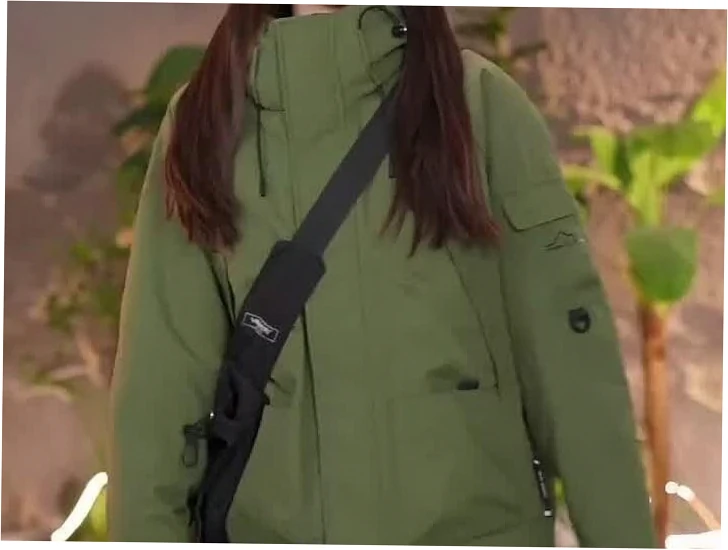
Field reports from outdoor workers confirm that a warm core is the ultimate hand and foot warmer. One experienced New England worker noted that insulated coveralls kept his whole body so warm that his hands and feet never got cold, even in sub-zero wind. The lesson: treat your torso as the furnace and your extremities as radiators that need proper flow.
The Core Temperature Connection
Your core temperature sits around 98.6°F (37°C). When it drops even slightly, your body sacrifices your hands and feet to protect your brain and heart. That’s why a heated vest or an extra fleece layer can do more for your fingers than any glove. In community discussions, many winter hikers emphasize that once they added a down vest, their cold hands disappeared.
This mechanism also means that if you have poor circulation or conditions like Raynaud’s, your threshold for vasoconstriction is lower. You’ll feel numbness faster. addressing core warmth is not just comfort—it’s a strategic move for anyone who suffers from cold extremities in sub-zero conditions.
Best Layering for Hands and Feet
Mittens vs Gloves: Which Wins
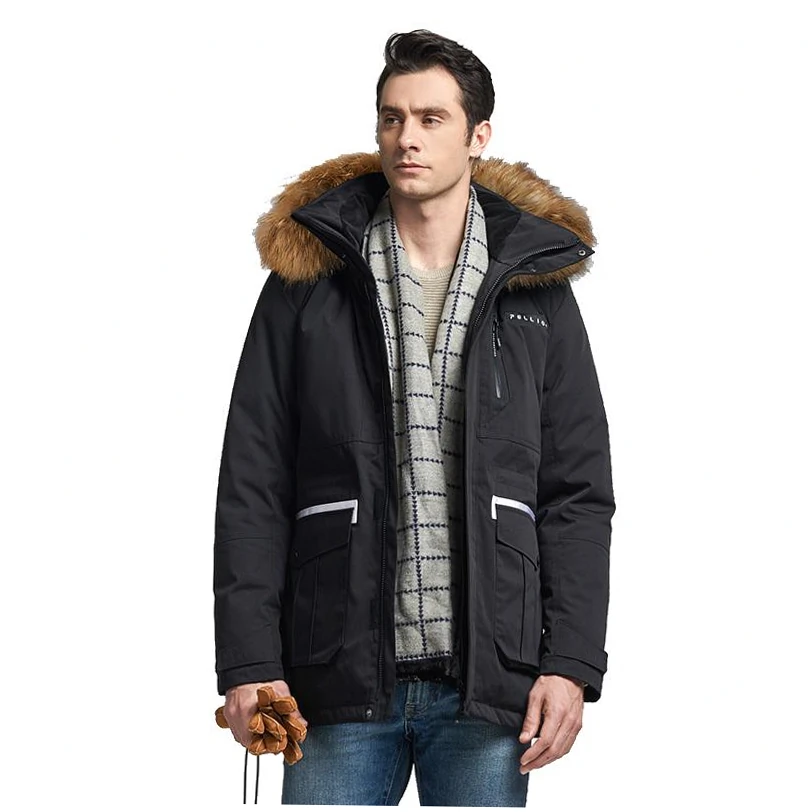
Mittens keep your fingers together, sharing heat, while gloves separate them, increasing surface area for heat loss. For sub-zero temperatures, mittens with a removable liner are superior for warmth. However, dexterity matters. Many hikers carry both: thick mittens for stationary periods and lighter gloves for active work. A field-tested compromise is a merino liner glove under a wool mitten, switching to leather gloves only when you need fine motor control.
Here’s a direct comparison to help you decide based on your activity:
| Factor | Mittens | Gloves |
|---|---|---|
| Heat retention | Excellent (shared warmth) | Moderate (individual fingers lose heat) |
| Dexterity | Low (limited fine tasks) | High (can operate zippers, cameras) |
| Best use case | Stationary, extreme cold, hiking | Active tasks, moderate cold |
Sock Systems That Prevent Sweat
Sweat is the enemy of warm feet. If your feet perspire, moisture conducts heat away 25 times faster than air. The solution: a thin merino or silk liner sock under a thick wool sock. The liner wicks moisture, and the outer wool insulates even when damp. Avoid cotton entirely—it holds water and stays wet, leading to frozen toes.
Community consensus heavily favors this two-sock system, but with a caveat: both socks must fit loosely enough to allow blood flow. Too tight, and you compress vessels, defeating the purpose. Many report that a single pair of thick, loose wool socks works better than two tight pairs. Test your system indoors first to ensure no pressure points.
Another frequent recommendation is to carry spare socks and change them at lunch, especially if you’ve been sweating. Dry feet stay warm longer.
Heated Gear vs Traditional Warmth
Battery-Powered Warmers
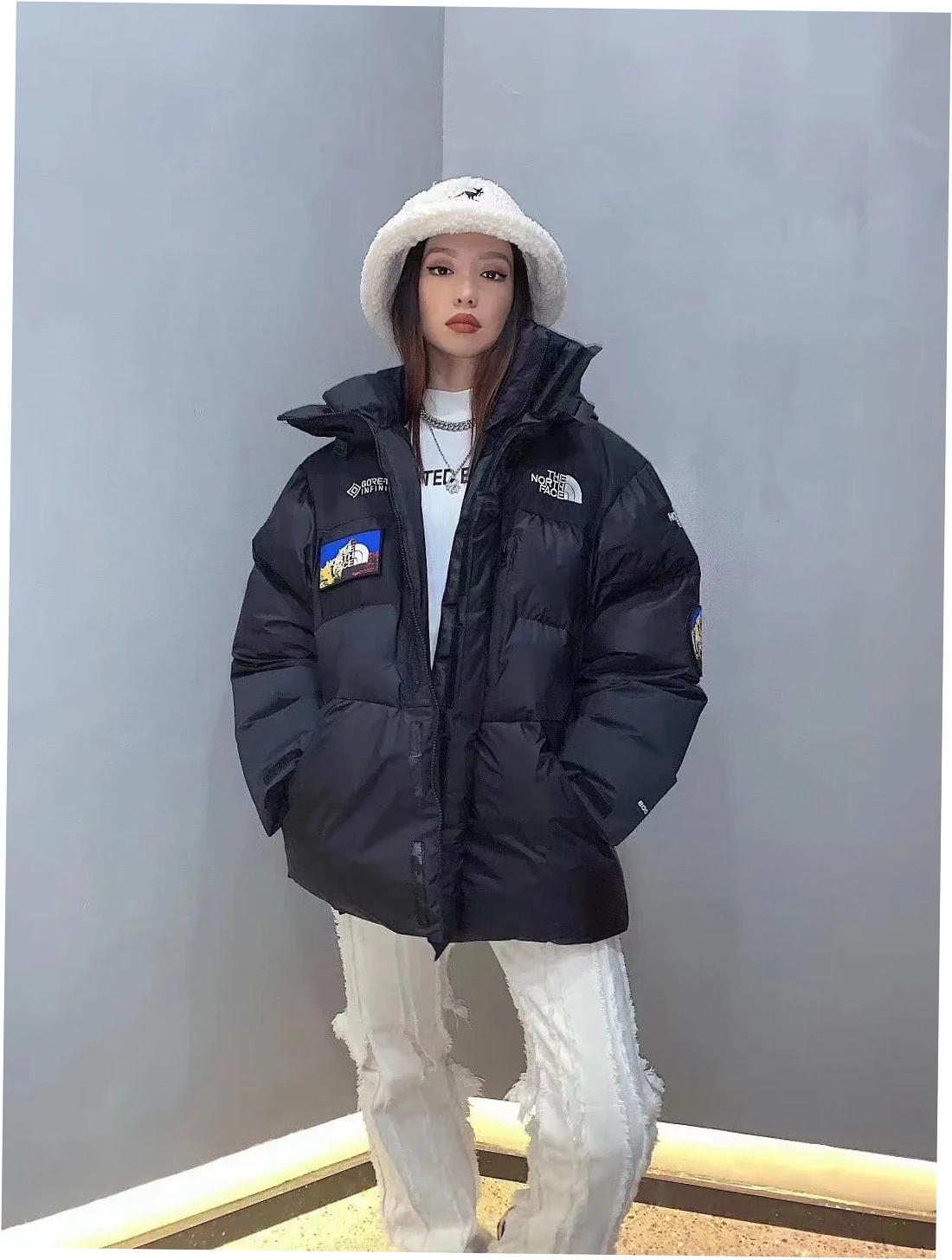
Heated gloves, socks, and insoles have exploded in popularity, but they come with trade-offs. A heated sweatshirt or vest can keep your core warm, which in turn improves circulation to extremities—a game changer for Raynaud’s sufferers. However, battery life drops in sub-zero temperatures, and bulky batteries can be uncomfortable. Many users report that heated socks work well for stationary activities but fail during high-exertion hiking because sweat short-circuits the warmth.
Cost is another factor. Heated gear is expensive, and durability varies. If you go this route, choose models with replaceable batteries and multiple heat settings. Use them as a supplement, not a replacement for proper layering.
Chemical Warmers and Limits
Disposable toe warmers and hand warmers are a staple for cold-weather workers. They provide steady heat for hours, but they need oxygen to work. Inside a tightly sealed boot or glove, airflow is limited, so they often underperform. Placing them on top of your toes (not underneath) and ensuring some ventilation helps. Reusable models require boiling to reactivate, which is impractical on the trail.
Real-world feedback shows that sticky toe warmers are a game changer for Reynaud’s, but they don’t last forever. For sub-zero hikes, bring backups and store them near your body to keep them from freezing.
| Approach | Official Claim | Real User Feedback |
|---|---|---|
| Heated sweatshirt | Keeps core warm, improves circulation | Game changer for some, but battery life poor below 0°F |
| Toe warmers | Provides 100°F for 8 hours | Works well for stationary work; fails in tight boots with no airflow |
| Cold baths | Improves cold tolerance via conditioning | Helps Raynaud’s symptoms for some, but temporary and extreme |
| Two pairs of socks | Adds insulation and wicks moisture | Works if loose, but can cause blisters if too tight |
Real Scenarios, Risks, and Mistakes
Winter Hiking and Backpacking
When you’re hiking uphill, you generate heat, but downhill or at rest, you cool rapidly. The key is to start cold—remove layers before you sweat—and add them as soon as you stop. For your hands, use liner gloves under mittens; remove mittens when working to avoid sweat, then put them back on. For feet, keep boots loose enough for toe wiggle room. If your feet get cold, stop, dry them, and change socks.
Many backpackers carry a dry pair of socks exclusively for camp. Once your hiking socks are damp, they’re useless for warmth. beware of tight boots: they restrict circulation, which is a common reason for cold feet even with thick socks.
Stationary Work or Commuting
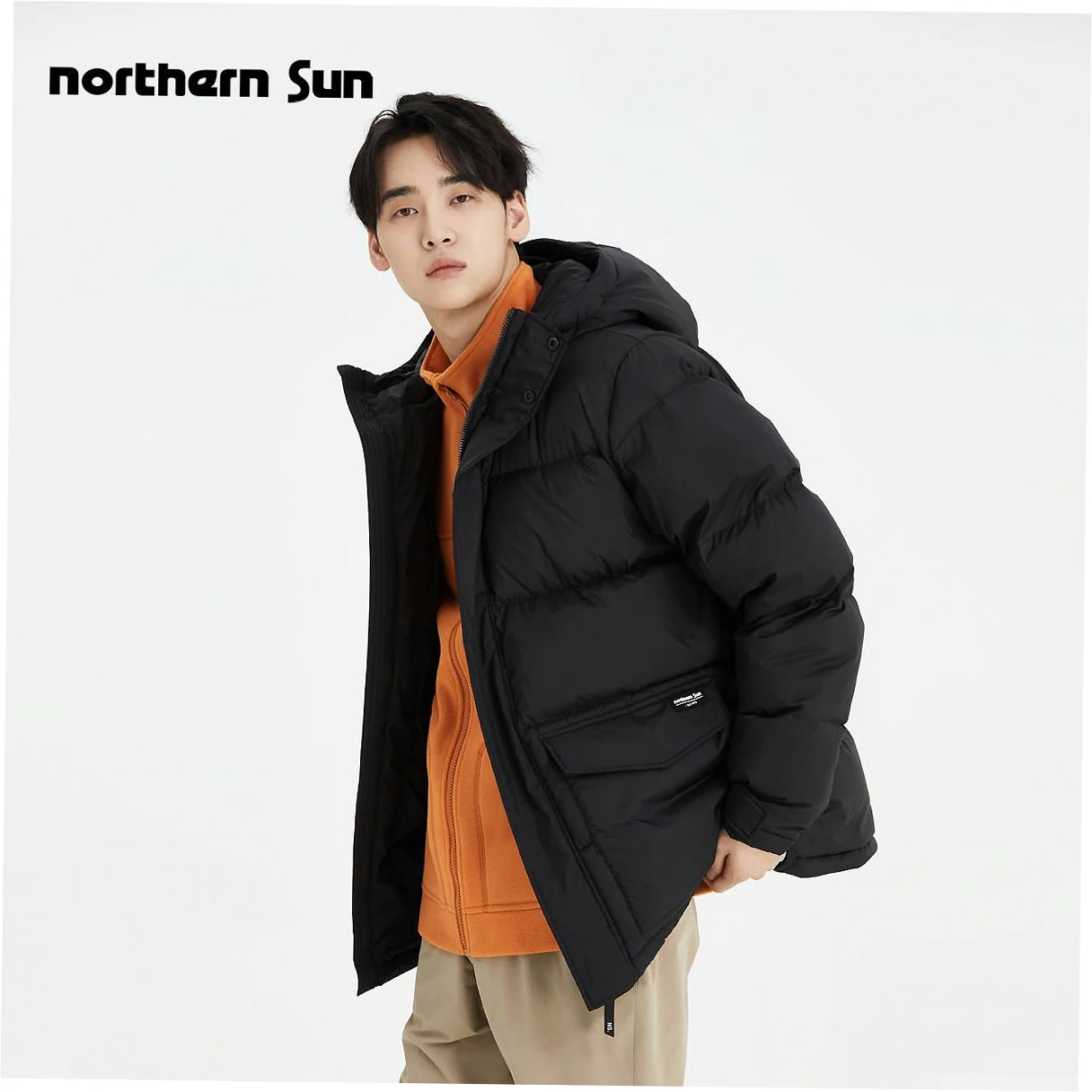
If you’re standing still, like at a job site or waiting for a bus, your body generates less heat. Here, chemical warmers, heated insoles, and a thermos of hot tea can make a difference. Fingerless gloves with a hand warmer in the palm work surprisingly well because covering the palm keeps the blood warm as it circulates. Insulated coveralls beat separate pants and coat because they trap heat more efficiently.
Risks: Overheating leads to sweat, which then freezes. So dress in layers you can easily vent. never use tight rubber bands or cuffs, as they cut off circulation.
Medical Red Flags and Misconceptions
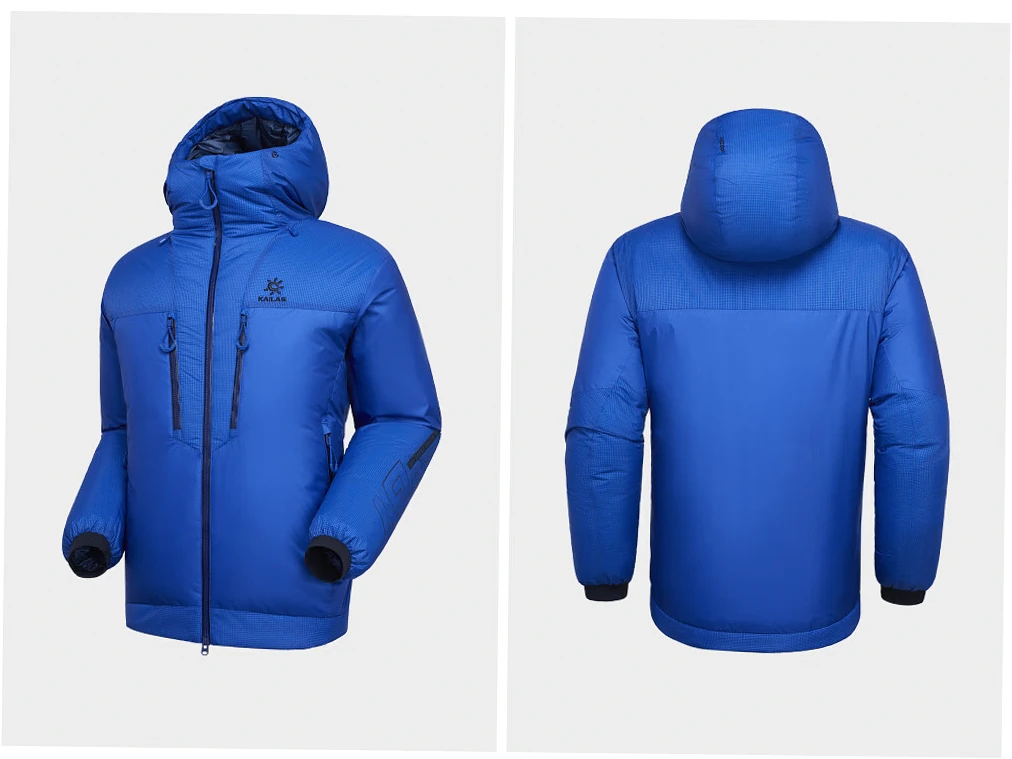
If your hands and feet stay cold even after a hot shower or in a warm room, you might have an underlying condition like hypothyroidism, anemia, or Raynaud’s. Cold baths and exercise can help circulation, but they’re not a cure. A common misconception is that more insulation always helps; but if your feet are sweating, adding insulation makes them colder. Similarly, drinking alcohol might feel warming, but it dilates surface blood vessels and actually increases heat loss.
Always consult a doctor if you experience numbness, color changes (white, blue, red), or pain in the cold. These are not just discomfort—they can signal tissue damage.
Practical Warmth Strategy for Sub Zero
Pre-Outing Checklist
Before you head out, run through this checklist: base layer (merino wool), mid layer (fleece or down vest), shell (windproof), liner gloves, mittens, liner socks, wool socks, insulated boots, and chemical warmers. Eat a high-calorie meal and stay hydrated—your body needs fuel to generate heat. Avoid caffeine and alcohol right before exposure, as they can impair circulation or judgment.
check the weather. Wind chill can make 0°F feel like -30°F. Plan your exposure time accordingly.
On-Trail Adjustments
Start cold: remove layers before you sweat. If your hands get cold, swing your arms in circles to force blood into fingers. If your feet get cold, do 20 jumping jacks or step in place. Use hand warmers in pockets, not directly against skin. If you feel numbness, stop and warm up immediately. Never rub frozen skin with snow—that causes more damage.
For long hikes, carry spare gloves and socks in a waterproof bag. If you fall in a stream or soak your gloves, change immediately. Prevention is better than fixing frostbite.
FAQ About how to keep hands and feet warm in sub zero temperatures
Can I keep my hands warm with fingerless gloves in sub zero?
Fingerless gloves alone won’t keep your fingers warm, but they can work if you add a hand warmer in the palm and wear them under mittens when stationary. The palm coverage helps keep circulating blood warm, but exposed fingers will still lose heat rapidly. Best for active tasks where dexterity matters.
Are heated socks worth it for sub zero hiking?
For stationary activities or extremely cold conditions, heated socks can be a lifesaver. For active hiking, they may cause sweating, which then freezes. If you use them, choose a model with a low setting and moisture-wicking liner socks. They are worth it for those with Raynaud’s or poor circulation, but not a substitute for proper layering.
Why do my feet sweat and then freeze?
Your feet sweat because they’re overheating from too much insulation or exertion. When sweat can’t escape, it saturates your socks, destroying insulation and conducting heat away. The fix: use a moisture-wicking liner sock, avoid waterproof shoes that don’t breathe, and change socks when damp.
How do I know if my cold hands are a medical issue?
If your hands turn white, blue, then red and throb when rewarming, you may have Raynaud’s. If you’re constantly cold even indoors, get your thyroid and iron levels checked. Persistent numbness or pain in the cold warrants a doctor’s visit. Don’t ignore these signs.
What’s the best sock combination for -20°F?
A thin merino or silk liner sock under a thick, loose wool sock. The liner wicks sweat, and the wool insulates. Avoid cotton. Make sure your boots have room for toe wiggle. If your feet still get cold, add a chemical toe warmer on top of your toes, not underneath.
Do hand warmers work inside mittens?
Yes, but they need oxygen. Shake them before use and place them in a pocket or against the back of your hand, not crushed against your palm. Inside a tight mitten, they may stop working. Vent your mittens periodically to let air in.
Is it better to wear two pairs of gloves or one thick pair?
Two pairs—a liner and an outer—gives you flexibility. You can remove the outer layer when you need dexterity and still have some warmth. A single thick pair is warmer only if it fits loosely and you’re not sweating. Layering also lets you dry the inner layer if it gets damp.
Leave a Reply