
What Makes Outerwear Work in Freezing Rain?
The best outerwear for walking in freezing rain and snow is not the warmest coat on the rack; it is a waterproof-breathable shell worn over a wicking base layer and a fleece mid-layer, in that order. I have walked a dog twice daily through sleet, ice pellets, and 33°F downpours for six Ontario winters, and every jacket that failed me failed at water resistance or breathability, never at loft.
Table of Content
If you are building this kit from zero, start with layer logic instead of the shell itself: the fundamentals covered in what to wear winter hiking explain how base and mid layers decide whether a shell can even do its job. A three-hundred-dollar shell over a cotton T-shirt is just a wet cotton T-shirt with extra steps.
Here is my blunt rule after too many soaked walks: if a jacket cannot shed liquid water for forty-five minutes of steady precipitation, it is a dry-cold jacket, not a freezing-rain jacket. Warmth is negotiable. Dryness is not.
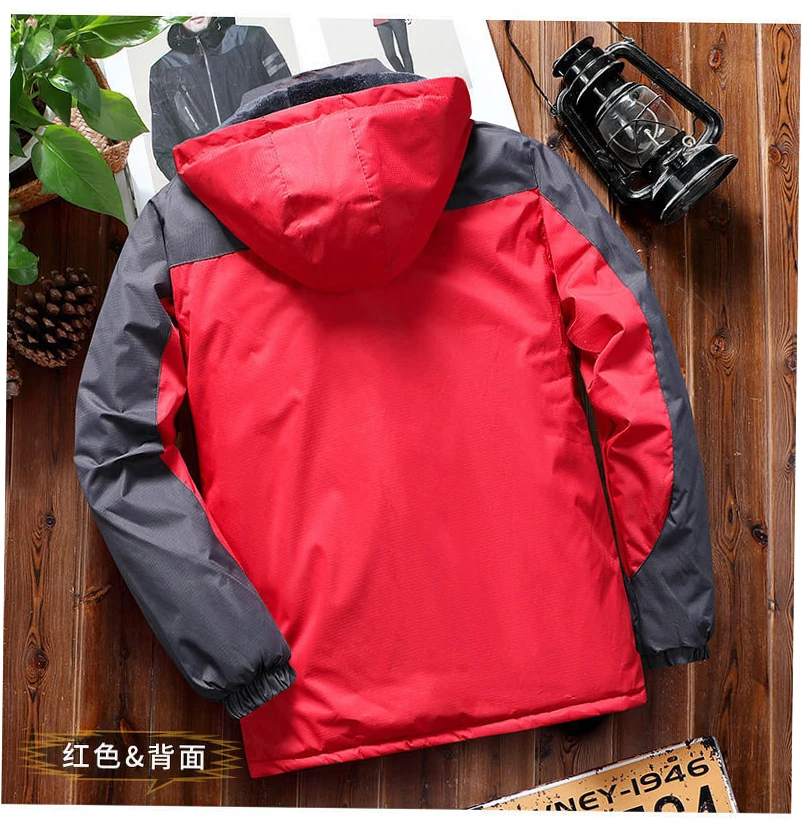
Wet Cold Is Not the Same as Dry Cold
Water conducts heat roughly twenty-five times faster than air, so a soaked fleece pulls warmth out of you far quicker than the same fleece dry. That is why 34°F rain feels colder than a 15°F snow squall: your insulation is working in one case and drowning in the other. Convective heat loss, not air temperature, is what ruins a walk.
Wind-driven rain at 34°F can strip heat off exposed skin faster than still air at 0°F. Wind chill tables assume dry skin; wet skin plus wind is a different physics problem. Walk ten minutes into a headwind wearing a damp softshell and you will feel exactly where your system leaks.
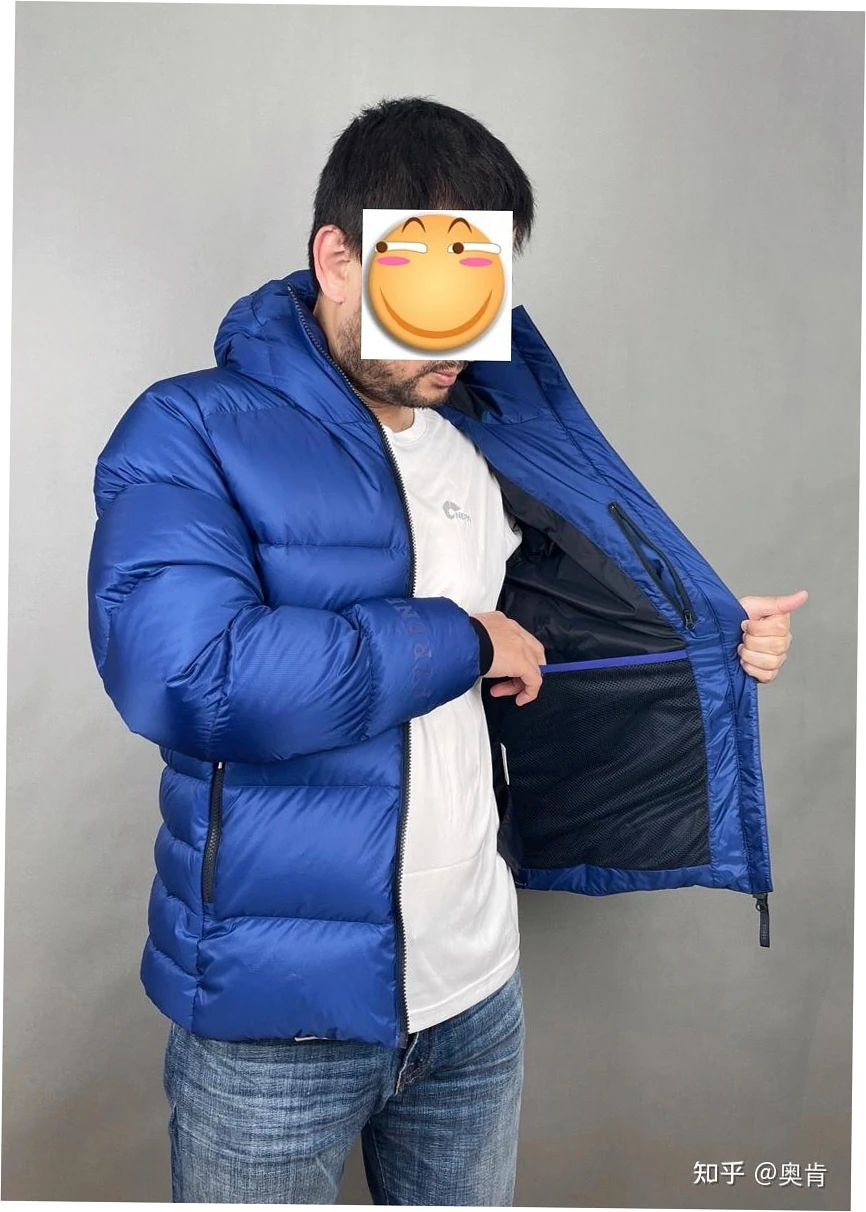
Shell, Fill, and the Seam Problem
Water almost never enters through the fabric face; it enters through seams, zippers, and cuffs. A taped-seam hardshell with a storm flap over the main zip will outperform a higher-rated membrane with untaped seams every single time. Check the seams and zippers before the hydrostatic head number, because a 20,000 mm rating means nothing when a shoulder seam wicks.
Fill sits behind the shell and only matters once the shell holds. Down loses roughly 90% of its loft when saturated and clumps into useless wet pockets; synthetic fill keeps a useful fraction of its warmth even soaking wet and dries in minutes. For freezing rain specifically, that single fact decides most purchases.
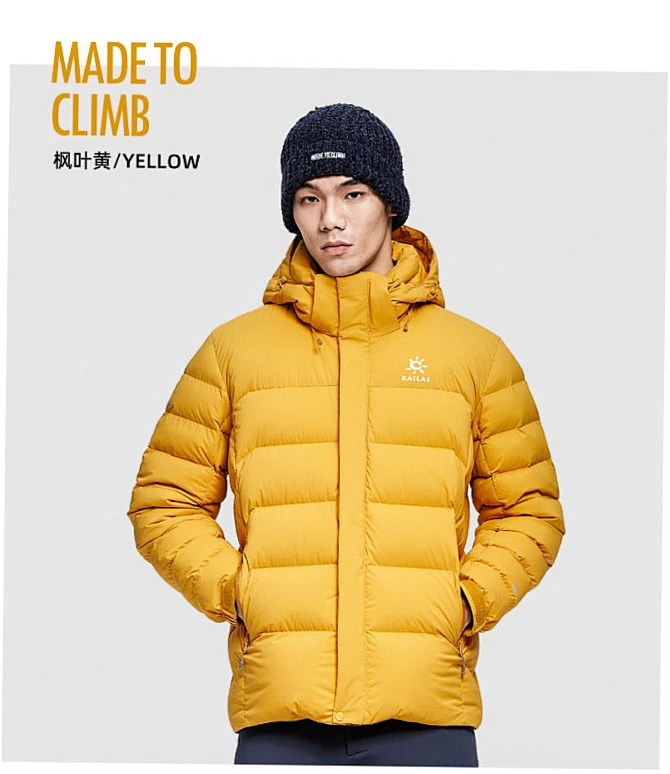
Why Breathability Matters While You Walk
Walking generates two to four times your resting metabolic heat, and that heat has to go somewhere. If it cannot escape, you sweat, and sweat is the moisture that eventually chills you. A shell that keeps rain out but traps vapor simply relocates the problem to the inside of your jacket, which is why pit zips and mechanical ventilation matter more than marketing copy on a moving body.
This is the one point nearly every cold-climate walker agrees on, and it is why the standard advice is to start slightly cold and add layers as you warm up rather than dressing for the moment you step outside. Being slightly chilly for the first five minutes is a feature, not a failure.
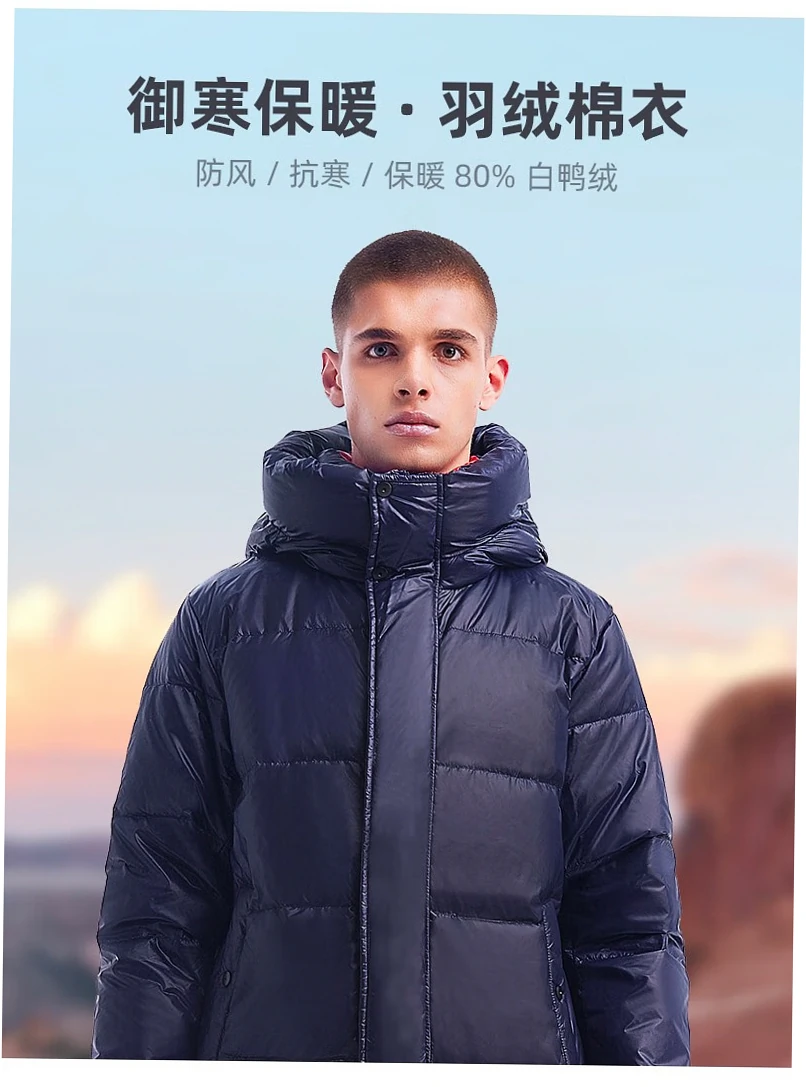
Which Outerwear Actually Beats Sleet and Snow?
Hardshell vs Softshell vs Insulated Parka
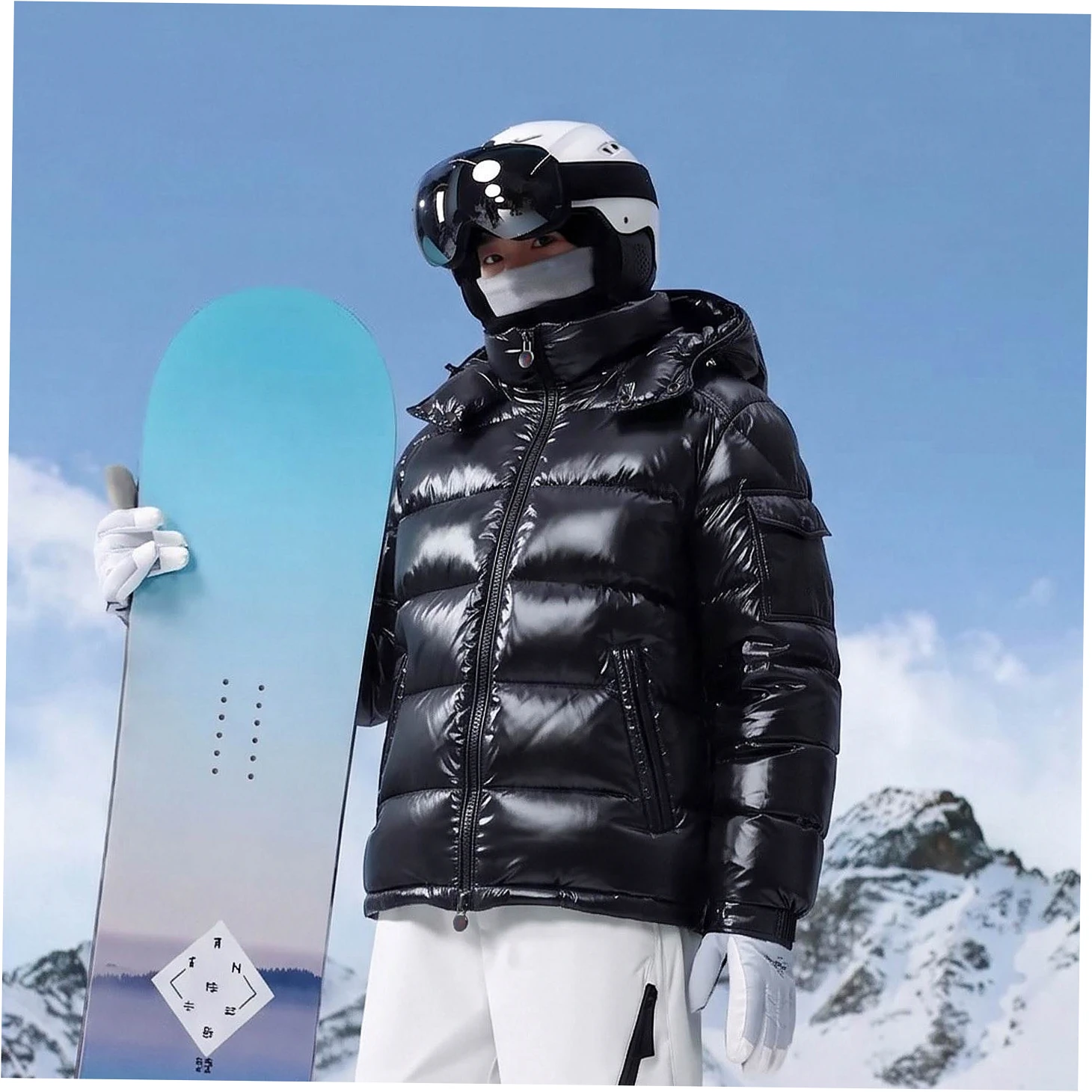
Conclusion first: for active walking in freezing rain, an uninsulated or lightly insulated hardshell with a separate mid-layer beats a single heavy parka almost every time. The parka wins when you stop moving; the shell system wins while you keep walking. Most people over-buy the parka and under-buy the shell.
Softshells are comfortable, quiet, and breathable, and they are the wrong tool in true freezing rain unless they carry a real membrane. They handle dry snow and wind beautifully. They soak through in twenty minutes of steady rain and then hang on your back like a wet towel, which is a miserable way to finish a walk.
| Type | Rain protection | Breathability | Warmth alone | Best for |
|---|---|---|---|---|
| 3-layer hardshell | Excellent | Very good with pit zips | None | Active walking in sleet and rain |
| Softshell | Poor to fair | Excellent | Slight | Dry snow, wind, fast walking |
| Insulated parka | Fair | Poor | High | Standing, commuting, extreme cold |
| 3-in-1 system | Good | Moderate | Adjustable | One-jacket buyers, big temperature swings |
| Waxed or leather coat | Good | Poor | Moderate | Wind blocking, short urban walks |
Down Fill vs Synthetic Fill in Wet Snow
I own both and I reach for synthetic every time the forecast says rain, freezing rain, or the ambiguous 32°F slush zone. Down is warmer per ounce and lasts decades if cared for, but it is a dry-cold specialist. Synthetic fill trades a little warmth and bulk for the ability to survive a soaking and still function, which matters in a thaw-cycle climate.
The gap between spec sheets and sidewalk reality is where most buying mistakes happen, and long-term cold-weather walkers tend to report it bluntly.
| Claim | Spec or marketing | What walkers actually report |
|---|---|---|
| Down warmth retention | Warmest insulation per ounce | Great when dry; near useless once saturated, dries slowly indoors |
| Synthetic fill | Retains warmth when wet | Keeps most warmth damp and dries fast, but bulkier and packs out sooner |
| Parkas rated to -30°C | Extreme cold rating | Often too hot above roughly -10°C; wearers sweat through them while walking |
| Waterproof membrane rating | 20,000 mm hydrostatic head | Leaks usually come from seams, cuffs, and a worn DWR, not the face fabric |
| Fur-trimmed hoods | Styling detail | In Arctic communities treated as functional wind breaks and face protection |
The honest takeaway is that no single fill wins. Down for dry deep cold, synthetic for anything wet or marginal, and both behind a shell that actually holds water out. Anyone selling one jacket as the universal answer is selling, not advising.
How Do You Layer for a Freezing Rain Walk?
The Three-Layer Order That Actually Works
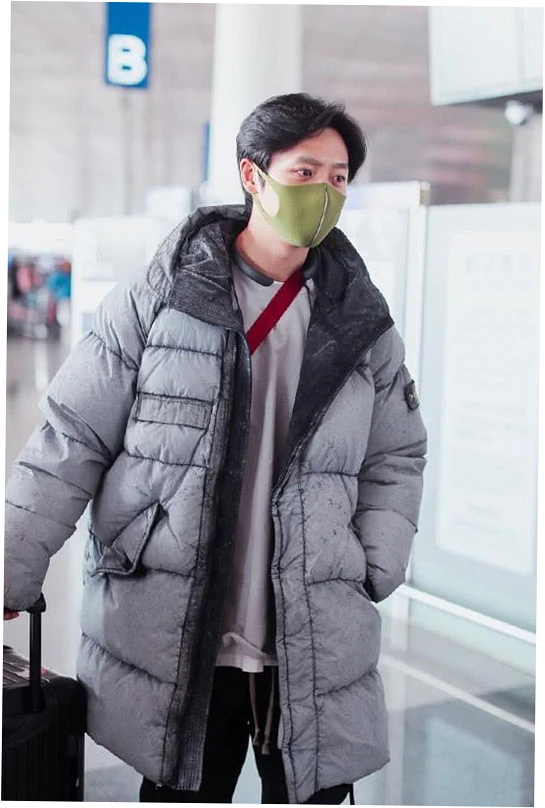
Base layer next to skin, thin fleece or grid fleece over it, shell on top: that is the whole system. Merino wool and polyester both move moisture and keep some warmth when damp; cotton does neither and should be nowhere near a winter walk. The base layer is the cheapest upgrade with the largest effect.
Start cold. If you are comfortable standing in your driveway, you are over-dressed for the first mile and you will be wet from the inside by mile two. Thin, adjustable layers beat one heavy layer because you can open a zip, drop the hood, or shed the mid-layer without stopping the walk.
| Conditions | Base | Mid | Shell | Extras |
|---|---|---|---|---|
| 35°F rain, light wind | Polyester tee | None | Uninsulated hardshell | Waterproof cap |
| 30°F freezing rain | Merino 200 | Light grid fleece | Hardshell, pit zips open | Waterproof gloves |
| 20°F sleet and wind | Merino 200 | Midweight fleece | Hardshell plus light puffy | Neck gaiter, spare gloves |
| 0°F dry snow | Merino 260 | Fleece plus puffy | Windproof shell | Insulated hood, liner mitts |
Hoods, Cuffs, Hems, and Zips
The failure points on a winter walking jacket are almost never the chest panel. They are the hood opening, the wrist closure, and the hem. A hood that cinches down to your face and a hem you can tighten keep driven rain out of the two biggest openings in the system, while loose cuffs funnel water straight down your sleeve into your gloves.
Look for hook-and-loop or elastic cuff adjustment, a two-way front zip, and a hood with a stiffened brim. Pit zips are the single most useful feature on an active shell, because they dump heat without exposing your core. Small design details decide whether a walk is comfortable or a slow soak.
Who Needs Which Outerwear, and When?
Slow Walkers, Commuters, and Fast Hikers
Heat output changes everything. A commuter standing at a bus stop in 30°F rain needs more insulation and less breathability than a fast walker doing three miles. If your pace is leisurely or you stop frequently, a lightly insulated shell or a parka makes sense; if you move continuously, an uninsulated ventilated shell keeps you drier.
Dog walkers and people walking for exercise usually sit in the middle: moving enough to sweat, stopping enough to chill. That profile favors a hardshell with a light fleece and a packable synthetic puffy that goes on the moment you stop. People who run hot do well with a shell and a thin base layer alone.
City Sidewalks vs Exposed Trails
Urban walking in freezing rain is mostly a splash and spray problem, plus wind tunnels between buildings. A knee-length shell with a slightly longer back hem keeps road spray off your thighs and keeps your seat dry on a bench. Reflective trim is worth having when daylight is short.
Exposed trails and open fields are a wind-loading problem. Gusts drive rain sideways and can push water through seams that hold up fine on a calm street. If you walk somewhere without shelter, prioritize taped seams, a storm flap, and a hood you can tighten one-handed with gloves on.
What Mistakes Ruin Wet Winter Outerwear?
Overheating and Sweat
The most common mistake I see is treating a cold walk as an insulation problem when it is really a moisture problem. Overheating produces sweat, sweat soaks your mid-layer, and a soaked mid-layer stops insulating the moment you slow down. That is how people get genuinely cold twenty minutes into a walk they dressed too warmly for.
The fix is unglamorous: start with less, vent aggressively, and treat the front zip as a thermostat. Long-time cold-weather walkers in northern climates report that they end up opening their jackets, removing a scarf, or losing a glove within the first mile. If you never adjust anything, you are probably damp.
DWR, Seam Tape, and Care Mistakes
Waterproof shells rely on a durable water repellent finish to bead water off the face fabric; when the DWR wears out, the fabric wets out, feels clammy, and stops breathing even though it is still waterproof. Washing with a technical cleaner and reapplying a spray-on or wash-in DWR restores most of that performance. It is the cheapest maintenance you can do.
Other quiet killers: storing a wet shell in a bag, machine-drying on high heat, and using fabric softener, which clogs membrane pores. Seam tape also has a lifespan and can peel on an older jacket. If rain comes through the same shoulder seam every time, the jacket is done, not dirty.
Dialing In Your Freezing Rain Walking Setup
My practical sequence before any wet winter walk: check the precipitation type and wind direction, pick layers for ten degrees colder than the forecast, then decide what goes in the pack for the stop. A packable synthetic puffy, spare gloves, and a waterproof hat solve most of what goes wrong. Two minutes of planning beats an hour of shivering.
Then test it locally before you trust it. A twenty-minute loop in freezing rain tells you more about your cuffs, hood, and venting than any spec table, and it is a cheap way to find the leak in your system while you are still close to home. Adjust, repeat, and you will end up with a kit you never think about again.
FAQ: Freezing Rain Outerwear Questions
Can I wear a down jacket in freezing rain?
Only under a shell that holds water out. Down loses most of its loft when saturated and dries slowly, so a wet down jacket becomes a cold, heavy layer. If rain, sleet, or the 32°F slush zone is in the forecast, wear synthetic fill next to the shell or keep the down for dry cold days.
Is a waterproof shell better than a warm parka for walking?
For continuous walking, yes. A shell plus a mid-layer manages moisture because you can vent and remove pieces. A heavy parka is warmer when you are standing still but tends to overheat walkers well above freezing and traps sweat, which then chills you the moment you stop.
How do I stop sweating through my coat on a winter walk?
Start colder than feels natural, open pit zips early, and use a wicking base layer instead of cotton. Sweat is the failure mode, not the cold. If you finish a walk with a damp back, remove one layer next time rather than buying a new jacket.
Do I need waterproof pants for a thirty-minute walk?
For freezing rain, usually yes if you are walking briskly or through slush. Rain running off a shell soaks regular trousers in minutes, and wet legs cool fast. Lightweight over-trousers that pack into a pocket are enough for short urban walks and give you an easy layer to remove indoors.
How much should I spend on outerwear for freezing rain and snow?
Spend on the shell, save on the mid-layers. A mid-priced taped-seam hardshell from a known outdoor brand plus a forty-dollar fleece outperforms an expensive insulated coat for active walking. Expensive parkas make sense mainly for standing around in deep cold, not for sustained walking.
Why does my jacket soak through even though it says waterproof?
Because the leak is almost always a seam, cuff, or worn DWR rather than the membrane. Reapply the water repellent finish, check that zippers are fully closed and storm flaps seated, and look for peeling seam tape. If the same seam leaks after all that, the jacket has reached the end of its useful life.
What is the best outerwear if I run hot on winter walks?
A lightweight, uninsulated, highly breathable hardshell over a thin merino or synthetic base layer, with a packable synthetic puffy for stops. Runners and fast walkers who run hot consistently do better with ventilation than insulation, and add warmth only when standing still.
Leave a Reply