
What to wear winter hiking is less about surviving the cold and more about regulating body heat so you never sweat through your layers. I learned this after a December hike where my cotton base layer froze during lunch. The goal is to stay dry, because wet clothing pulls heat away far faster than cold air. Build a system that lets you vent, remove, and add layers as your output changes.
Table of Content
- What to Wear Winter Hiking: The Core Rule
- How to Build a Winter Hiking Layering System
- Which Winter Hiking Pants and Boots Work Best?
- Why Overheating Ruins Winter Hikes
- Microspikes vs Crampons: Which Traction Do You Need?
- Winter Hiking Clothing Mistakes and Real Risks
- What to Wear for Northern Lights in Lapland
- Winter Hiking Gear Checklist for Cold Days
- Frequently Asked Questions About Winter Hiking Clothing
What to Wear Winter Hiking: The Core Rule
The Layering System Explained Simply
Think of your winter hiking clothing as three cooperating layers: a base layer that moves sweat away from your skin, a mid layer that traps warmth, and a shell that blocks wind and precipitation. Each layer has a job, and none should be cotton. When you combine them correctly, you can fine-tune your temperature without stopping for a full wardrobe change.
The base layer sits directly against your skin, so it must be moisture-wicking. Merino wool and synthetics like polyester or nylon work best because they pull sweat away and still insulate when damp. Cotton absorbs water, loses all insulation, and accelerates hypothermia. That is why experienced winter hikers treat cotton as a genuine hazard, even in mild conditions.
Why Cotton Kills and Synthetics Win
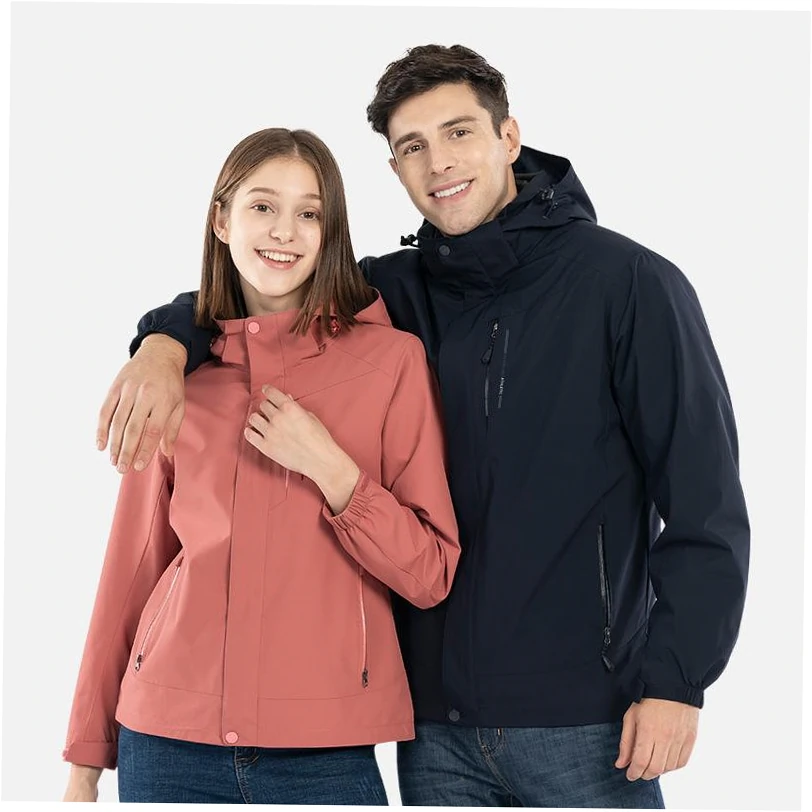
A waterproof shell matters most when you face freezing rain, and winter coats for freezing rain often use mechanical ventilation rather than just thick insulation. Look for pit zips, adjustable cuffs, and a helmet-compatible hood. The shell is your emergency barrier, so it should pack small enough to carry even when skies look clear and the forecast changes fast.
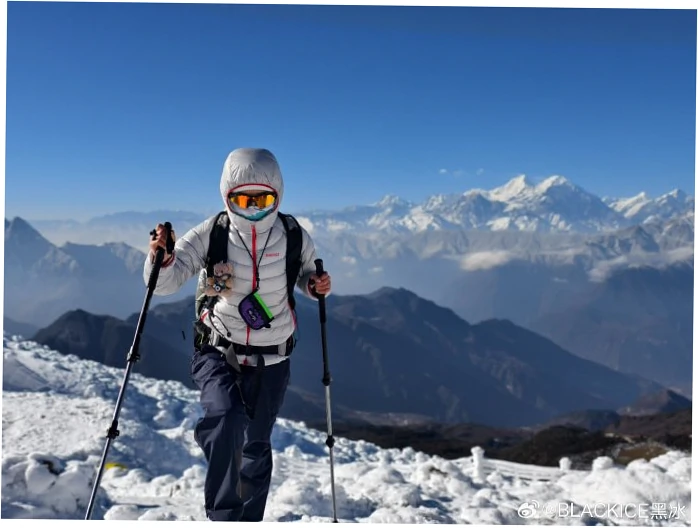
How to Build a Winter Hiking Layering System
Base Layer: Moisture Management First
Start with a thin, snug base layer made from merino wool or a synthetic blend. It should feel like a second skin, not a loose t-shirt. Long sleeves and a high collar protect your wrists and neck, which are common heat-loss points. If you run hot, choose a lightweight fabric; if you chill easily, go midweight.
Avoid base layers with zippers or seams that rub under a backpack. Flatlock seams and raglan sleeves reduce chafing on long climbs. Many winter hikers bring a spare base layer in a dry bag, because changing into something dry at the summit or before the descent can prevent a dangerous post-hike chill. This small habit adds almost no weight.
Mid Layer: Insulation That Breathes
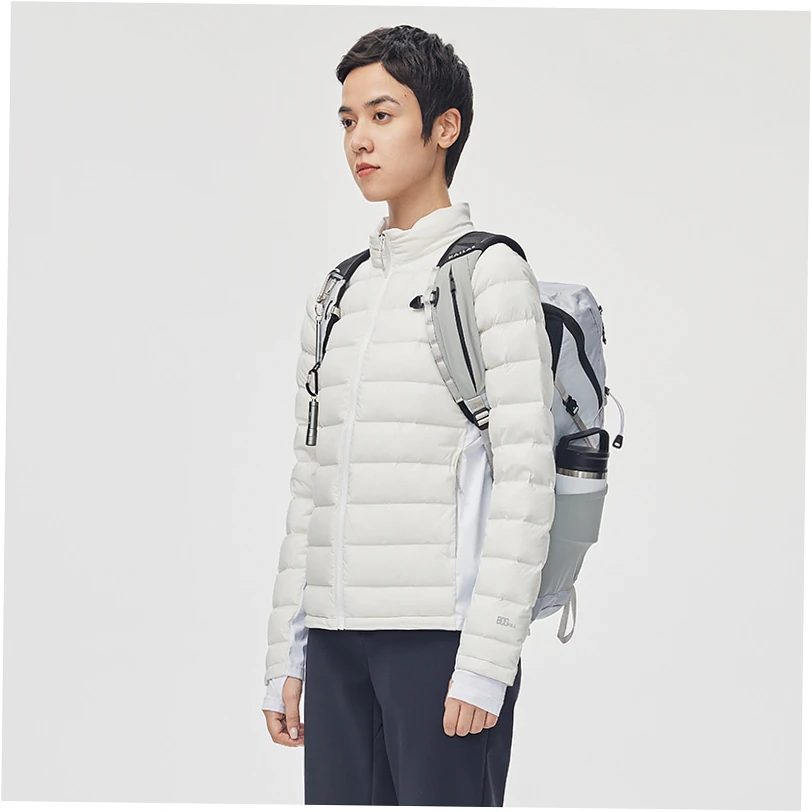
Your mid layer provides the bulk of your warmth. Fleece, synthetic puffy jackets, and lightweight down are all valid choices, but each has trade-offs. Fleece breathes well and keeps working when damp, while down offers more warmth per ounce but loses insulation if it gets wet. Synthetic fill sits in the middle and is the safest bet for wet, cold climates.
A common mistake is wearing one massive mid layer instead of two thinner ones. Two layers let you remove just one when you start climbing, which prevents the sweat-soaked back that ruins many winter hikes. A thin fleece under a puffy vest gives you adaptable warmth without bulk. Adjust before you overheat, not after.
Shell Layer: Wind and Rain Protection
The shell layer blocks wind, rain, and wet snow while letting water vapor escape. Breathable waterproof fabrics like Gore-Tex or similar membranes work best, but ventilation features matter just as much. Pit zips, chest pockets, and a two-way front zipper let you dump heat during steep sections. Without a shell, even a light breeze can strip warmth from your mid layer.
Which Winter Hiking Pants and Boots Work Best?
Hiking Pants vs Insulated Pants: What You Need
For your lower half, most winter hikers wear non-insulated hiking pants over a thermal base layer. Insulated pants, like ski pants, can be overkill because your legs generate a lot of heat on climbs. They become useful in deep snow, extreme cold, or when you expect to stand still for long periods. The key is to avoid denim and cotton, which soak up moisture and stay cold.
| Scenario | Standard Recommendation | What Experienced Hikers Do |
|---|---|---|
| Moderate winter hike | Insulated pants | Non-insulated hiking pants over thermal base layer |
| Deep snow or extreme cold | Insulated pants | Insulated pants or snow pants, especially when standing still |
| High-exertion climb | Breathable softshell pants | Regular hiking pants, vent excess heat |
| Wet snow or freezing rain | Waterproof pants | Often skip waterproof pants; focus on quick-drying fabric |
Boots, Socks, and Gaiters for Snow
Waterproof boots with enough insulation for your climate are essential. Many hikers use non-insulated boots with thick wool socks for active days, then switch to 200-400 gram insulated boots for colder trips. Gaiters keep snow out of your socks and protect your pant cuffs. Avoid cotton socks entirely; wool or synthetic blends manage moisture and reduce blister risk.
| Temperature Range | Recommended Boot | Sock Choice | Notes |
|---|---|---|---|
| Above 20°F | Non-insulated hiking boots | Light wool socks | Good for high output |
| 10°F to 20°F | Lightly insulated boots | Medium wool socks | Add gaiters for snow |
| Below 10°F | 200-400g insulated boots | Heavy wool socks | Consider overboots for standing still |
| Below -10°F | Extreme cold boots | Two wool layers | Prioritize warmth over weight |
Why Overheating Ruins Winter Hikes
The Sweat-Free Pace Strategy
Overheating is the most common winter hiking mistake, and it is dangerous because sweat turns into a chilling layer when you slow down. The fix is to start slightly cold at the trailhead and adjust layers within the first fifteen minutes. Remove your hat or open your pit zips before you feel wet. If you are sweating, you are already losing heat.
Venting and Adjusting on the Move
Learning to vent on the move takes practice, but it keeps your core temperature stable. Unzip your neck, push up your sleeves, and remove your mid layer before a steep climb. If you stop for lunch, add your puffy jacket immediately. A reliable guide to avoiding overheating while winter hiking recommends treating your layers like a thermostat you adjust constantly.
Microspikes vs Crampons: Which Traction Do You Need?
When Microspikes Are Enough
Microspikes are the go-to traction for packed snow, icy trails, and moderate slopes. They slip over your hiking boots and provide just enough bite without requiring special techniques. They are lightweight, easy to pack, and comfortable for long distances. For most winter day hikes in gentle terrain, microspikes are safer and more efficient than full crampons.
When You Need Crampons
Crampons become necessary on steep, hard ice or glaciated terrain where you need front points for secure footholds. They require stiffer boots and often an ice axe for self-arrest. If you are unsure which to bring, a detailed comparison of microspikes versus crampons can help you decide based on slope angle and ice hardness. Never cheap out on traction devices.
Winter Hiking Clothing Mistakes and Real Risks
Common Gear Failures and Fixes
One frequent failure is wearing too many layers at the start, then sweating through them within an hour. Another is neglecting your hands and face, which cool down fast when you stop moving. Gloves with touchscreen fingertips sound convenient, but they often leak warmth. Bring thick mittens and a neck gaiter instead, and save the thin liners for active climbing.
Hypothermia and Frostbite Warning Signs
Watch for uncontrollable shivering, slurred speech, and clumsy hands, which signal hypothermia. Frostbite shows up as white, waxy skin on your nose, cheeks, or fingers. If you notice these signs, add insulation, drink warm fluids, and get out of the wind. Prevention means staying dry, eating enough calories, and never ignoring a persistent chill.
| Risk | Warning Sign | Immediate Action |
|---|---|---|
| Hypothermia | Uncontrollable shivering, slurred speech | Add insulation, drink warm fluids, seek shelter |
| Frostbite | White, waxy skin on extremities | Warm gradually, do not rub, seek medical help |
| Overheating | Sweat-soaked base layer | Remove layers, vent, slow down |
| Dehydration | Dark urine, headache | Drink water, eat snacks, monitor output |
What to Wear for Northern Lights in Lapland
Extra Insulation for Static Cold
Chasing the northern lights means standing still in temperatures that can drop below minus twenty degrees Celsius. Your winter hiking layers are a good start, but you need additional insulation for your legs and feet. A thick down parka, insulated snow pants, and oversized boots with felt liners keep you comfortable while you wait for the sky to move. Static cold is a different challenge.
Footwear and Accessories for Arctic Nights
For Lapland aurora nights, bring chemical hand warmers, a balaclava, and ski goggles to protect your eyes from wind. Your feet will get cold first, so wear two pairs of wool socks and insulated boots rated for extreme cold. A complete guide to northern lights in Lapland covers these extra layers in detail, including photography-friendly gloves.
Winter Hiking Gear Checklist for Cold Days
Before you head out, run through this final check: base layer, mid layer, shell, hiking pants, waterproof boots, wool socks, gaiters, microspikes or crampons, gloves, hat, buff, sunglasses, sunscreen, and a dry bag for spare layers. Pack snacks and a thermos. Tell someone your route and expected return time. Then start cold, adjust early, and enjoy the quiet trails.
Frequently Asked Questions About Winter Hiking Clothing
Can I wear jeans for a short winter hike?
No, jeans are cotton, and cotton absorbs sweat and snowmelt. Once wet, jeans lose all insulation and take hours to dry, which can lead to hypothermia even on a short hike. If you have no other option, wear a synthetic base layer underneath and turn back at the first sign of wetness. Otherwise, choose wool or synthetic pants.
Do I really need insulated pants for winter hiking?
Not always. Most winter hikers wear non-insulated hiking pants over a thermal base layer and stay warm because their legs generate heat while moving. Insulated pants become valuable in deep snow, extreme cold, or when you plan to stand still. Bring them if the forecast is unusually harsh or if you chill easily.
How many layers should I wear on a moderate winter hike?
Start with three: a moisture-wicking base layer, a breathable mid layer, and a windproof shell. Add or remove the mid layer as your output changes. Many hikers also carry a lightweight puffy jacket for breaks. The exact number depends on temperature, wind, and your personal metabolism, so test your system on short trips first.
What is the difference between microspikes and crampons?
Microspikes are flexible traction devices with small spikes, designed for packed snow and icy trails. Crampons are rigid, have longer points, and attach to stiff boots for steep ice and glaciated terrain. Microspikes work for most winter day hikes, while crampons require training and often an ice axe. Choose based on slope angle and ice hardness.
How do I keep my hands warm while hiking in freezing temperatures?
Wear thin liner gloves for dexterity and thick mittens over them. Mittens keep fingers together and share warmth, while gloves allow better grip. Add chemical hand warmers if needed, and avoid tight wrist cuffs that restrict circulation. If your hands still ache, swing your arms or tuck them into your jacket until they warm up.
Is expensive winter hiking gear worth the money?
You do not need the most expensive gear, but never cheap out on traction devices, waterproof boots, or your shell layer. These items directly affect safety. Mid-range synthetic layers work fine, and second-hand gear can save money. Focus your budget on items that keep you dry and upright, then upgrade other pieces as you gain experience.
What should I wear for a winter hike that starts cold and ends warm?
Dress for the coldest expected temperature at the start, then plan to shed layers within the first twenty minutes. Wear a base layer, a light mid layer, and a shell. Carry a puffy jacket in your pack for stops. Start slightly cool so you do not sweat, and adjust before you overheat. This strategy works from sunrise to afternoon.
Leave a Reply